We connect Vienna with the rest of Europe – flexibly, securely, reliably, and with an optimistic outlook on the future!
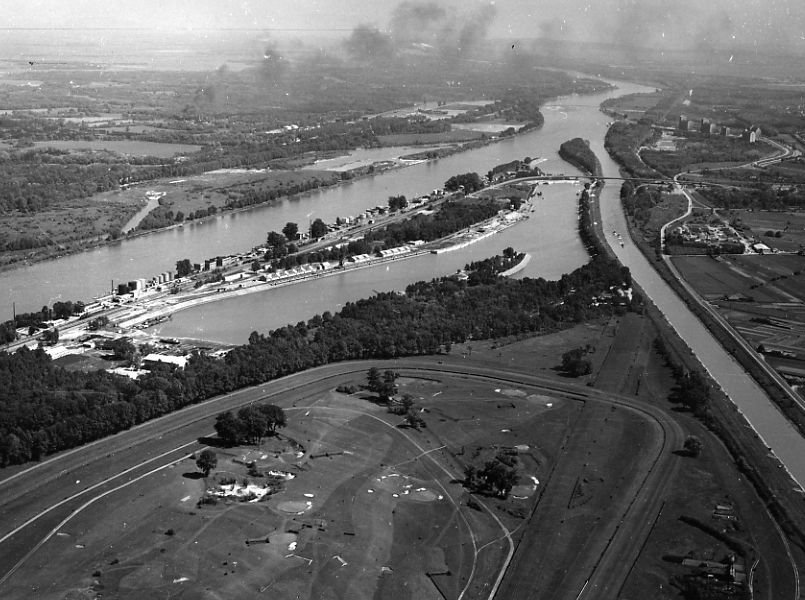
With an area of approximately 3 million square meters, the Port of Vienna is one of Europe’s most important logistics hubs. As part of Wien Holding, the Hafen Wien Group and its subsidiaries operate three major cargo ports: the Port of Freudenau, the Port of Albern, and the Lobau Oil Terminal. Around 1,200 cargo ships are handled here annually. The goods transported range from petroleum products, road salt, and construction materials such as cement, sand, and steel to agricultural products such as grain and synthetic fertilizers.
Efficiency, Innovation, and Sustainability
Hafen Wien combines decades of experience with state-of-the-art technology and, as a multifunctional service provider, offers ideal conditions for international trade and transport. Thanks to its optimal connections to shipping, rail, and trucking, as well as its proximity to Vienna International Airport, it serves as a high-performance hub for global goods flows, with transport routes spanning water, rail, road, and even air.
With Austria’s largest public bonded warehouse, Hafen Wien offers comprehensive logistics solutions for the storage and handling of bonded and domestic goods. State-of-the-art warehouses, an on-site customs office, and highly qualified staff ensure that operations run smoothly.
Security and flexibility around the clock
The entire port area is monitored 24 hours a day, seven days a week, and access and exit routes are not subject to Vienna’s nighttime driving ban—a decisive advantage for time-sensitive shipments. Vienna’s three Danube ports are equipped with state-of-the-art handling facilities, ensuring efficient, safe, and flexible logistics solutions for construction materials, containers, general cargo, and bulk goods.
Whether you're importing or exporting, Hafen Wien is your reliable partner for fast and secure cargo handling.
Hafen Wien is not just a port on the Danube; it is THE hub for international freight traffic to and from Vienna. Together with the Freudenau and Albern cargo ports and the Lobau oil terminal, it forms the heart of world-class logistics. Each of these locations fulfills a specific function—from container handling and construction material storage to the secure supply of petroleum products.
The Port of Freudenau – The Heart of Activity
Danube kilometer 1920,1 | Longitude: 16° 29' 16,45'' E | Latitude: 48° 10' 12,63'' N
This is where the economic heart of the Port of Vienna beats! The Port of Freudenau is the bustling hub for Vienna’s freight traffic along the Danube.
Whether it’s bulk cargo, raw materials, containers, or vehicles—everything that arrives in Vienna or moves on from here passes through this port. In addition, Freudenau is home to Austria’s largest duty-free warehouse with an on-site police station, modern distribution centers for branded goods, and the headquarters of the management. It not only ensures a seamless logistics infrastructure for national and international goods flows but also serves as a shelter port and winter port.
Highlights at Freudenau Harbor:
Flood Protection – Safety Is the Top Priority
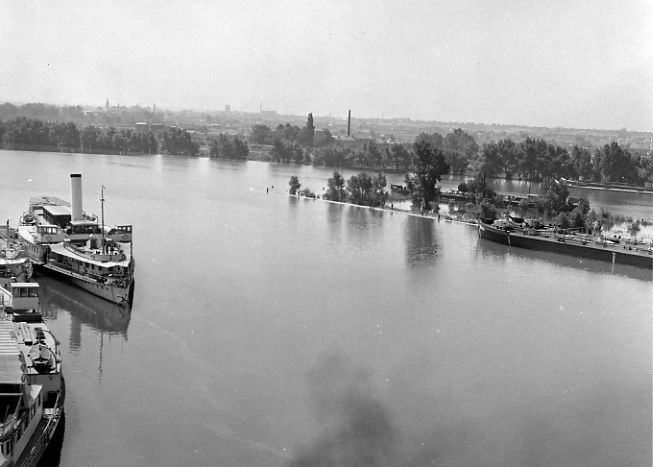
The Danube is a mighty waterway—and can pose a challenge. During the dramatic floods of 2002, parts of the Freudenau Port were submerged under up to 1.20 meters of water. The solution to this force of nature? One of Hafen Wien’s most impressive flood protection projects: the Freudenau Port Gate.
This flood control structure is a technical masterpiece. It protects an industrial site covering approximately 1,000,000 m² from the floodwaters of a so-called design flood (PHW)—which corresponds to a flow rate of 14,000 m³/s. The core component is a massive sliding gate structure that moves into position during a flood to seal off the inner harbor from the main current of the Danube.
Technical specifications of the harbor gate:
This protective system has been designed to withstand the highest loads and reliably protect port operations in an emergency. Thanks to this measure, the Freudenau port can remain fully operational even during extreme flood events – an essential safety measure for Vienna's economy and infrastructure.
Address:
Seitenhafenstraße 15, 1020 Vienna
The Port of Albern – A Powerhouse for Construction Materials and Heavy Cargo
Danube kilometer 1,918.3 | Longitude: 16° 30' 23.60'‘ E | Latitude: 48° 09’ 38.59'' N
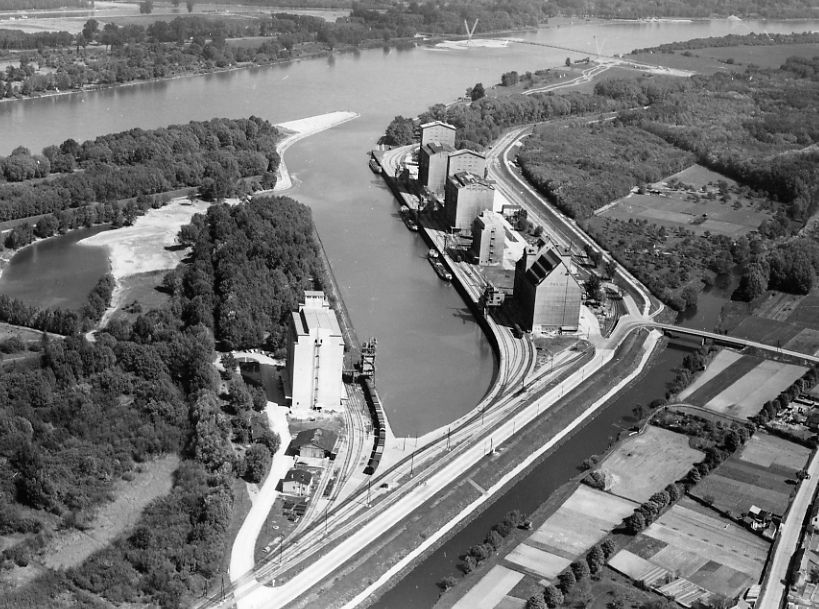
The Port of Albern is a symbol of strength – literally. Here, steel products, agricultural goods, and construction materials weighing tons are handled. With five massive grain silos that can hold up to 90,000 tons, this location is one of the most important hubs for grain handling in Austria. But that’s not all: the heavy-lift center enables the handling of high-and-heavy loads weighing up to 450 tons!
Here's what the Port of Albern has to offer:
The location along the Alberner Hafenzufahrtstraße also makes this site attractive for new businesses looking to set up operations. Anyone seeking a strategic location for logistics and cargo handling will find ideal conditions here.
Address:
1. Molostraße, 1110 Wien
Lobau Oil Terminal – The Energy That Powers Vienna
Danube kilometer 1916,4 | Longitude: 16° 31' 43,49'' E | Latitude: 48° 09' 28,28'' N
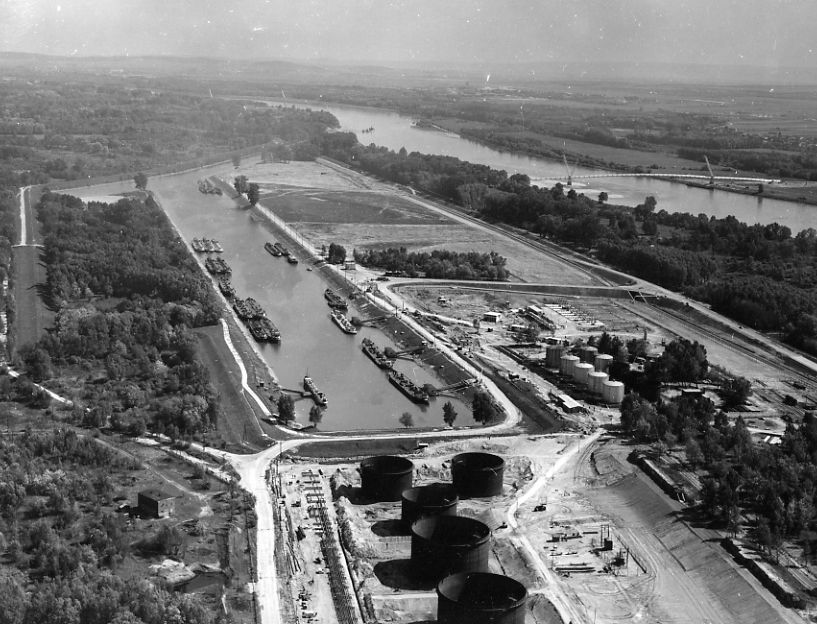
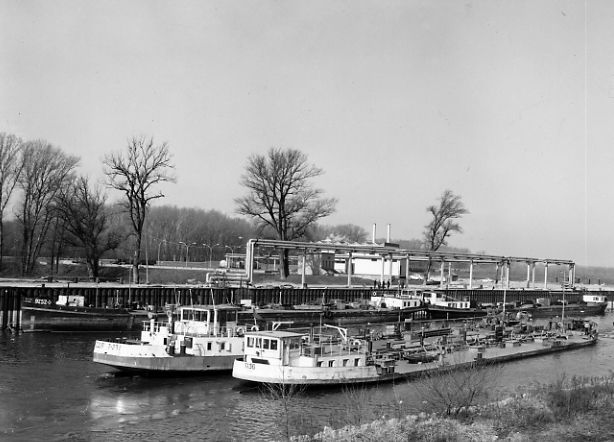
It’s not just water that flows here – it’s energy, too! Around 1,000 tankers dock at the Lobau oil terminal each year to supply Vienna and the surrounding region with petroleum products. Approximately one million tons of fuel are handled here annually. The port is directly connected to the Schwechat refinery via pipelines – an infrastructure that ensures a safe and efficient energy supply.
Facilities and infrastructure:
Address:
Hafen Lobau-Uferstraße, 1220 Vienna
Today, the Port of Vienna is the largest Danube port in Eastern Austria—and it continues to grow. Its logistics capabilities are constantly being expanded, and its capacity is continually increasing. Its greatest strength? As Austria’s largest trimodal logistics hub, it connects water, rail, and road—all 2,000 kilometers from the Black Sea and 1,500 kilometers from the North Sea. This is where global flows of goods converge; this is where goods are delivered, stored, transshipped, and distributed. A hub for international logistics, a driving force for the economy.
With an area of three million square meters, Hafen Wien offers space for over 200 private companies, including 40 freight forwarders. They all benefit from excellent connectivity and customized leasing options: from small offices to spacious operational areas, from warehouses to parking spaces for trucks and vehicles. Whether for cargo handling, storage, or as a business location—there is a suitable solution here for every logistical need.
However, the port is not only a transshipment hub but also a major center of economic activity and employment. With up to 5,000 jobs, the Hafen Wien Logistics Center is a major employer in the region.
The figures speak for themselves: In 2023, approximately 3.7 million tons of cargo were handled at the Port of Vienna. The breakdown of transport routes shows a balanced use of all modes of transport:
Week after week, around 120 container trains travel to Europe’s major ports and logistics hubs: Hamburg, Bremerhaven, Rotterdam, Ludwigshafen, and Duisburg, as well as hubs in Eastern Europe such as Bratislava and Budapest, and Southeast Europe—all the way to Turkey. As a result, Hafen Wien has become one of the key hubs for international ocean container traffic.
And the expansion continues: A new rail link to Wola further improves connectivity, expands the network, and strengthens the port’s strategic position.
Hafen Wien has become an indispensable hub for the flow of goods. More than 470,000 container units are handled there each year—a testament to the port’s central role in regional and international logistics.
Whether it’s raw materials, fertilizers, construction materials, fuels, road salt, or grain—the Port of Vienna ensures smooth, safe, and efficient handling.
In a world where sustainable transportation solutions are becoming increasingly important, Hafen Wien is committed to innovative and environmentally friendly logistics concepts. The focus is on reducing road traffic while increasing efficiency.
Every year, around 1,000 ships dock at the port to transport petroleum products, construction materials, or agricultural goods by water—a significant contribution to reducing emissions from freight transport. At the same time, container throughput is steadily increasing.
To keep pace with these developments, numerous modernization measures have been implemented:
These measures are more than just infrastructure improvements; they ensure the port’s long-term competitiveness, strengthen Vienna as a logistics hub, and at the same time make an important contribution to climate and environmental protection.
Hafen Wien is therefore not only a hub for trade, but also a driving force for sustainability and innovation.
Hafen Wien GmbH is a forward-looking company that is 95% owned by Wien Holding and 5% by the Vienna Chamber of Commerce. This structure enables the company not only to maintain strong local roots but also to ensure dynamic leadership and a clear focus on innovation and sustainable development. As the owner of Vienna’s extensive port facilities, including land, buildings, and wharf facilities, Hafen Wien GmbH plays a key role in port operations. It manages and operates the facilities in the Freudenau, Albern, and Lobau areas, ensuring that the Port of Vienna remains ideally positioned as the region’s logistics hub.
Hafen Wien GmbH
Seitenhafenstraße 15
A-1020 Vienna
Tel.: +43 1 727 16
Fax: +43 1 72716-1200
email: office@hafenwien.com
Website: www.hafenwien.com
The Hafen Wien subsidiary WienCont Containerterminal GesmbH operates one of the largest and most modern container terminals among Europe’s inland ports. Strategically located, WienCont offers an ideal hub for international operators, shipping lines, freight forwarders, and carriers. With regular rail connections to Hamburg, Bremerhaven, Rotterdam, and Southeast Europe, the company ensures fast and efficient container handling. The connection to the European rail network not only guarantees the terminal’s competitiveness but also underscores the forward-looking orientation of the entire port operation.
WienCont Containerterminal GesmbH
Freudenauer Hafenstrasse 12
A-1020 Vienna
Tel.: +43 1 727 72-0
Fax: +43 1 727 72-26
email: office@wiencont.com
Website: www.wiencont.com
TerminalSped Speditionsgesellschaft m.b.H., a subsidiary of Hafen Wien GmbH, complements its service portfolio with specialized customs services. Its staff assist customers in international trade by helping them avoid customs issues and costs. With their expertise and many years of experience, they ensure that all customs-related processes at the Freudenau site run smoothly and with maximum efficiency.
TerminalSped Speditionsgesellschaft m.b.H.,
Seitenhafenstraße 15
A-1020 Vienna
Tel.: 01 727 16 702
Fax: 01 727 16 700
email: Tsped_Zoll@hafenwien.com
You can download the organizational chart showing the structure of the Vienna Port Group and the Port of Vienna as a PDF file here:
Organisational Chart Port of Vienna Group | As of March 2022
As a company within the Wien Holding, Hafen Wien GmbH is committed to responsible, transparent and accountable corporate governance. This is based on the Vienna Public Corporate Governance Code (WPCGK), which sets standards for clear corporate governance, effective control, and responsible decision-making processes.
A joint corporate governance report for the 2025 financial year has been prepared by Wien Holding GmbH, which also covers the investment companies that are subject to the Vienna Public Corporate Governance Code. The report is published centrally on the Wien Holding GmbH website. Additionally, the annual financial statements are made available for download on the respective websites.
The 2025 Corporate Governance Report of Wien Holding GmbH can be found here:
Corporate Governance Report Wien Holding
Downloads / Further information
Annual financial statements 2025 of Hafen Wien GmbH
Infrastructure
Total area: 300 ha
Quay length: 5,000 m
Cranes with a lifting capacity of up to 84 tonnes
Heavy-lift handling capacity of up to 450 tonnes
Covered warehouse space in logistics of approx. 65,000 m²
Raw material warehouses with capacity for approx. 45,000 tonnes
GMP+ certified bulk storage warehouses with a capacity of 7,200 m³
Outdoor storage space in port logistics: 80,000 m²
Automotive terminal: 3,400 open-air parking spaces for passenger vehicles
2,000 parking spaces in the parking garage
Container terminal: 10,000 TEU (stacking spaces)
Trainsets: 4, each 700 m long
Goods Movements 2025
Goods handling: 4.1 million tonnes
Ships completed: approx. 1,000 units
Container terminal: approx. 480,000 TEU
Financial Figures 2025
Revenue: €55.4 million
Investments: approx. €6 million
Employees: 249 people
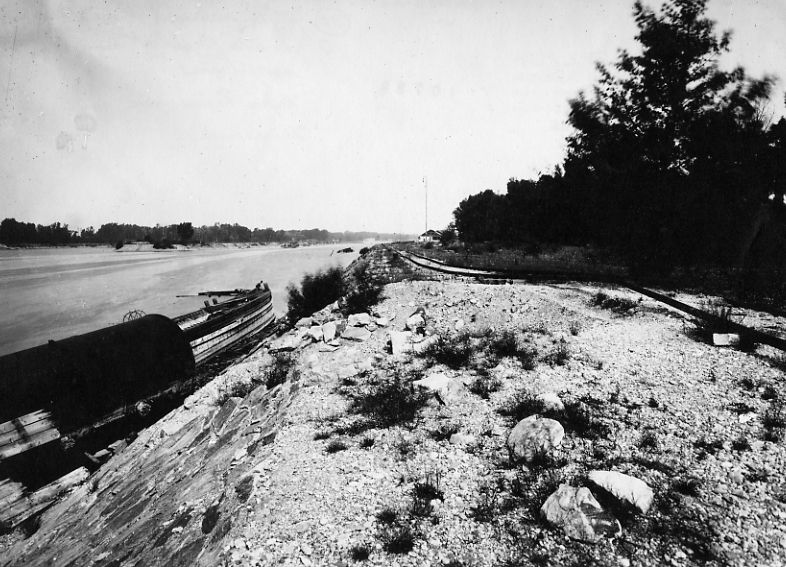
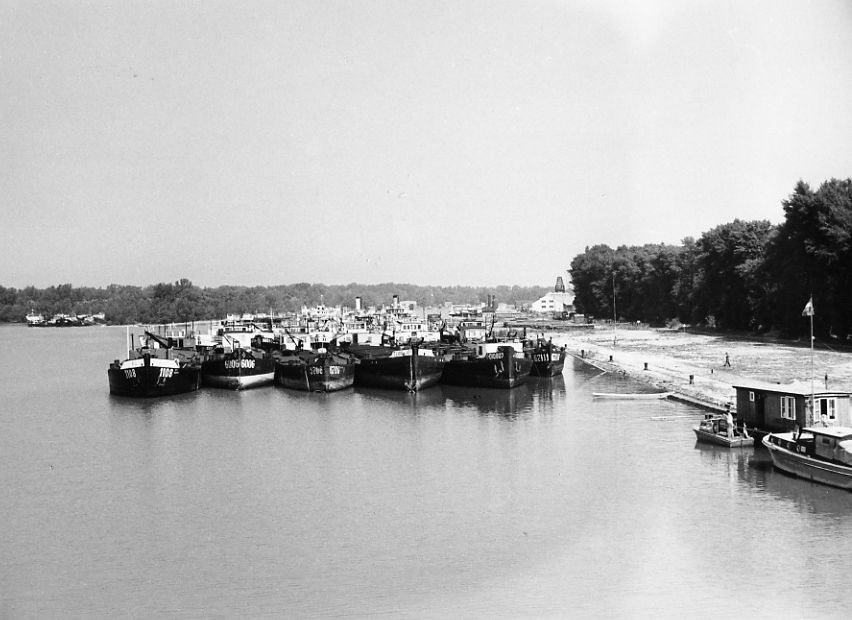
What is known today as the largest public port on the Danube and the leading logistics hub in eastern Austria once had humble beginnings. For a long time, building a port in Vienna was not considered necessary, so people made do with the so-called “Länden”—flat stretches of riverbank where ships were pulled ashore for loading and unloading. But the growth of shipping and the drive for modernization would soon usher in a new era for the Port of Vienna.
The term “Lände” is inextricably linked to Vienna’s first boat landing sites—places such as the Heiligenstadt, Nussdorf, Brigittenau, and Roßauer Lände, which were among the city’s earliest landing stages. However, with the advent of steamships, it became clear that the sandy banks were insufficient for the increasing volume of shipping traffic. In 1875 – following the successful regulation of the Danube – the first river port was constructed on the right bank of the Danube: a 12-kilometer-long open quay, equipped with cargo sheds and the necessary loading facilities, laid the foundation for the history of Hafen Wien. With its completion in 1876, the era of the port began, and it would go on to play a decisive role in international trade in the decades to come.
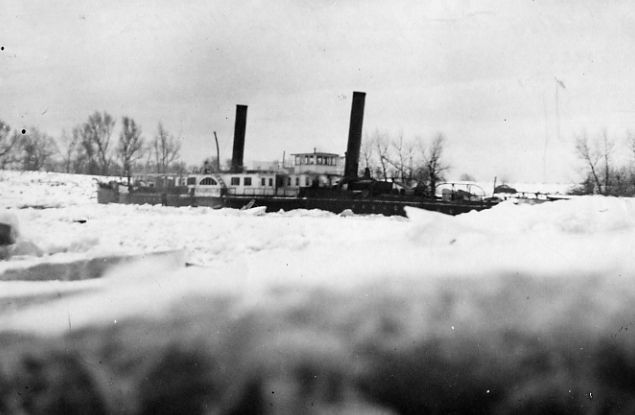
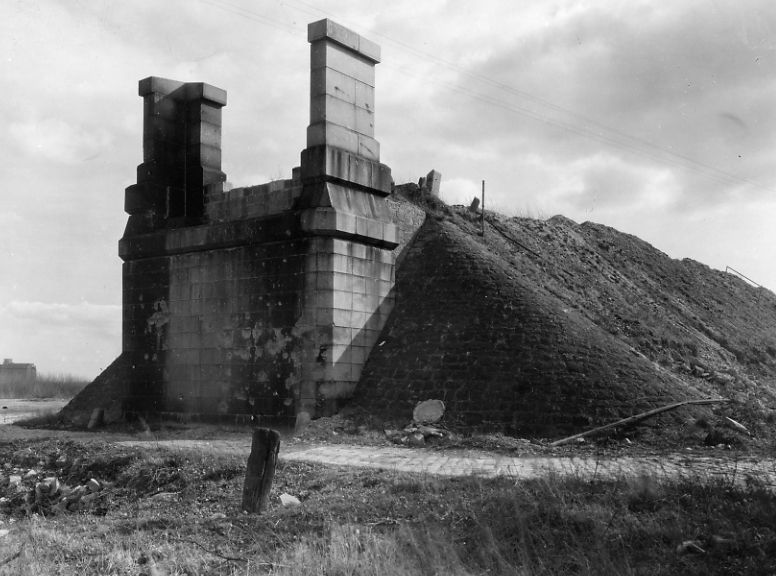
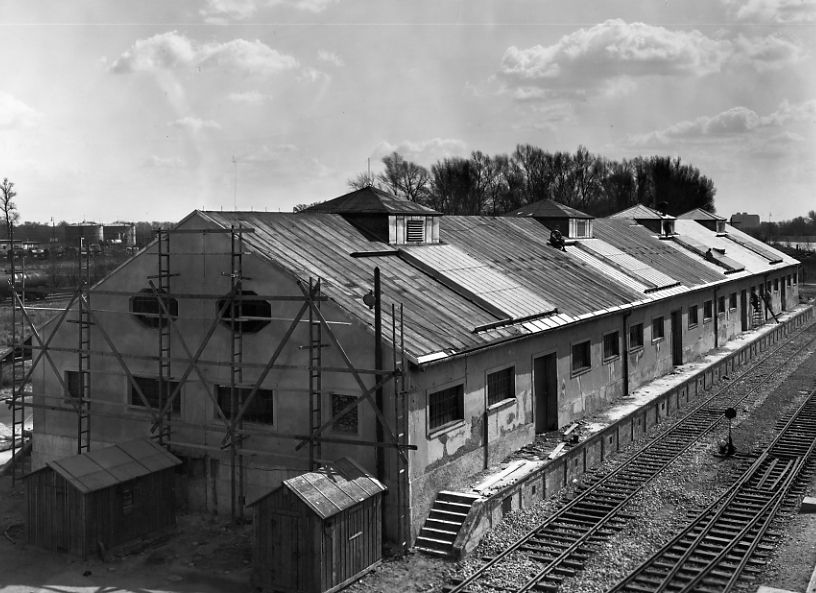
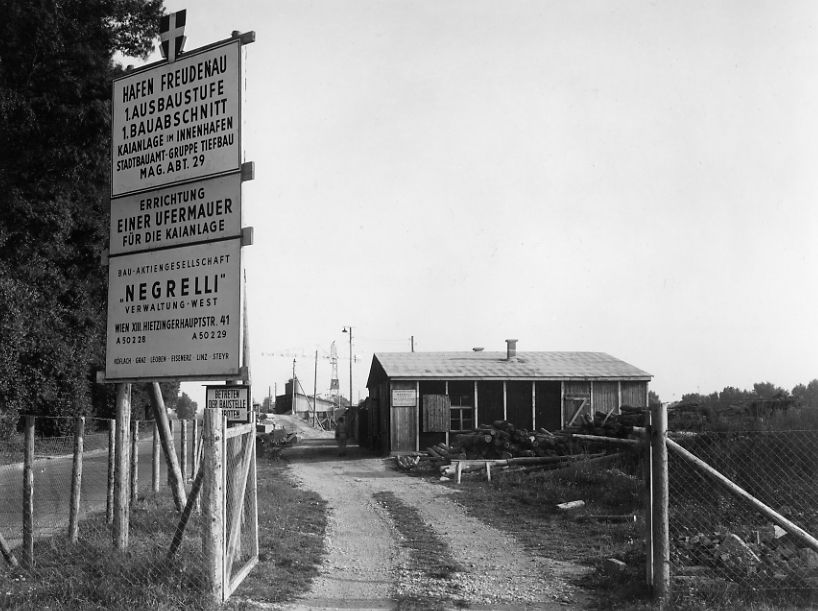
The first port facilities in Vienna faced a major problem: the unpredictability of nature. During floods and ice drifts, the river port offered insufficient protection, leading to recurring disasters. The most dramatic of these events occurred in 1881, when 30 ships were crushed during an ice drift. By this point, at the latest, the need for a safe winter harbor was clear. In 1892, work began on expanding the Danube Canal into a winter harbor—a project that was never completed due to financial difficulties but nevertheless left behind an architectural legacy, including works by the famous Otto Wagner. In 1899, construction began on the Freudenau Harbor, which finally opened as a winter harbor in 1902. During its first winter season, all of the harbor’s berths were immediately fully occupied. The Freudenau Harbor was not only a logistical but also a cultural symbol – here, ships were safely sheltered from the harsh winter months, and an important chapter in Vienna’s harbor history took shape.
In the 1930s, the Port of Vienna was further expanded to meet growing demands. The construction of the commercial and oil port in Albern, as well as the oil port in the Lobau, was intended not only to facilitate the handling of goods such as oil and coal, but also to set new standards. The Albern Port, also known as the Grain Port, was a technical masterpiece with its grain silos and improved current conditions, and the oil port in the Lobau was intended not only to consolidate the Danube’s role as a transshipment point for oil and coal but also to serve as a hub for the Danube-Oder Canal. However, World War II meant that this vision could only be realized to a limited extent.
The Postwar Period: Economic Recovery and Modern Planning
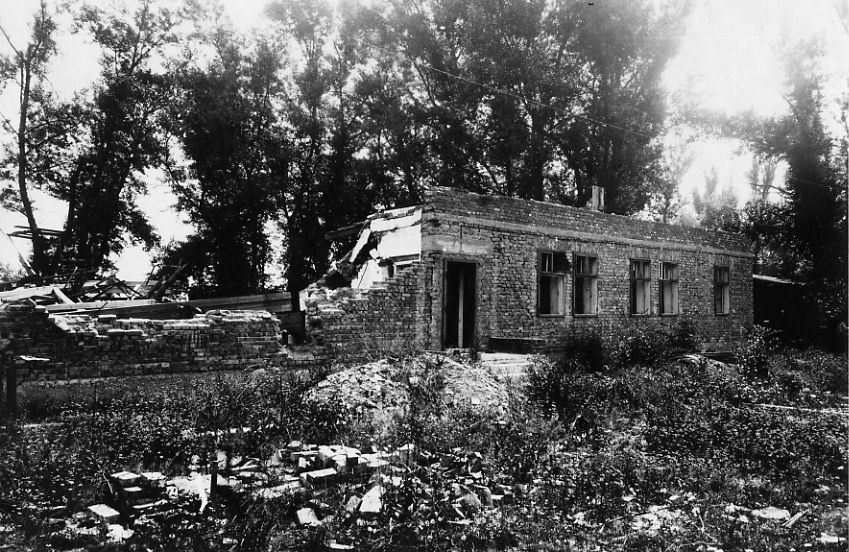
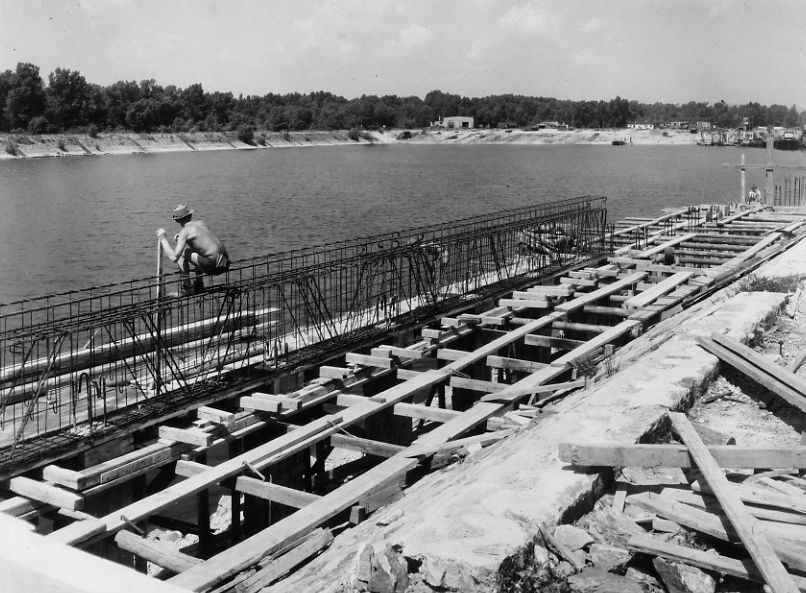
Following the destruction of World War II, reconstruction of Vienna’s port facilities began. Starting in 1949, port development could finally be approached with a long-term vision. The 1960s brought new momentum with the establishment of the free trade zone. In 1977, Wiener Städtische Hafen- und Lagerbetriebsges.m.b.H. was founded, and through a series of structural measures, it ushered the port into a new era. In the 1980s and 1990s, Hafen Wien experienced continuous growth. New crane systems, larger warehouses, and modern quay walls shaped the port’s landscape, while the Port of Albern was simultaneously modernized. In 2008, the new container terminal opened ahead of schedule and set a new standard for modern port infrastructure.
A Look to the Future: The Port as a Magnet for Innovation and Growth
Today, Hafen Wien represents far more than just a trade hub—it is synonymous with sustainability, innovation, and growth. With new investments and ongoing expansion, the port is committed to a future built on efficiency and environmental awareness. The development of the port gates in Freudenau and Albern has not only improved flood protection but has also made way for numerous new businesses to set up operations. Hafen Wien remains a living example of the perfect combination of tradition and a vision for the future—always ready to face the challenges of the global economy while growing in a sustainable and forward-looking manner.
You can download the memorandum on the opening of the Freudenau Port on October 28, 1902 as a PDF file here.
"Until now, Danube shipping had no safe haven in Vienna when high water or ice drifts forced vessels to leave the river. During the shipping season, traffic in Vienna took place partly in the Danube Canal and partly in the river itself, until approaching frost or the threat of flooding forced the ships to seek shelter far from Vienna in reasonably protected oxbow lakes (Korneuburg) or river mouths (Fischamend). It is understandable that the prosperity of shipping traffic suffered as a result, since these primitive places of refuge offered no possibility of transshipping goods that had been loaded for storage or winter storage when business conditions were favorable."
This is the introduction to the “Memorandum on the Opening.”




Do you have any questions? Here you'll find our contacts for general press and media inquiries.